Microvascular occlusions are not related to the number of irreversibly sickled cells, but instead may be dependent on more subtle red cell membrane damage and local factors, such as inflammation or vasoconstriction, that tend to slow or arrest the movement of red cells through microvascular beds (see Fig
Yu Y, Song J, Guo X, Wang S, Yang X, Chen L et al
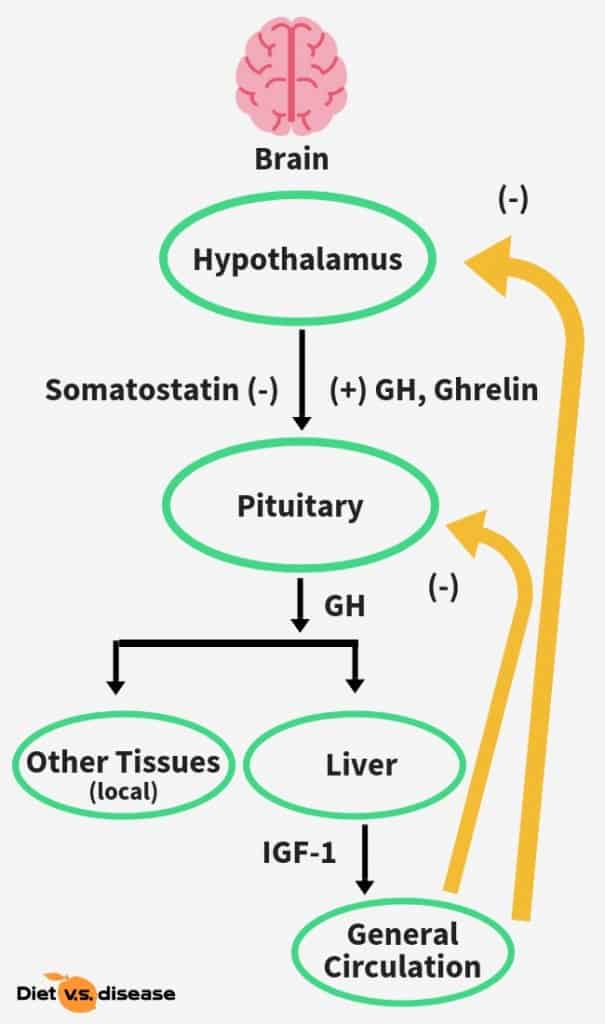
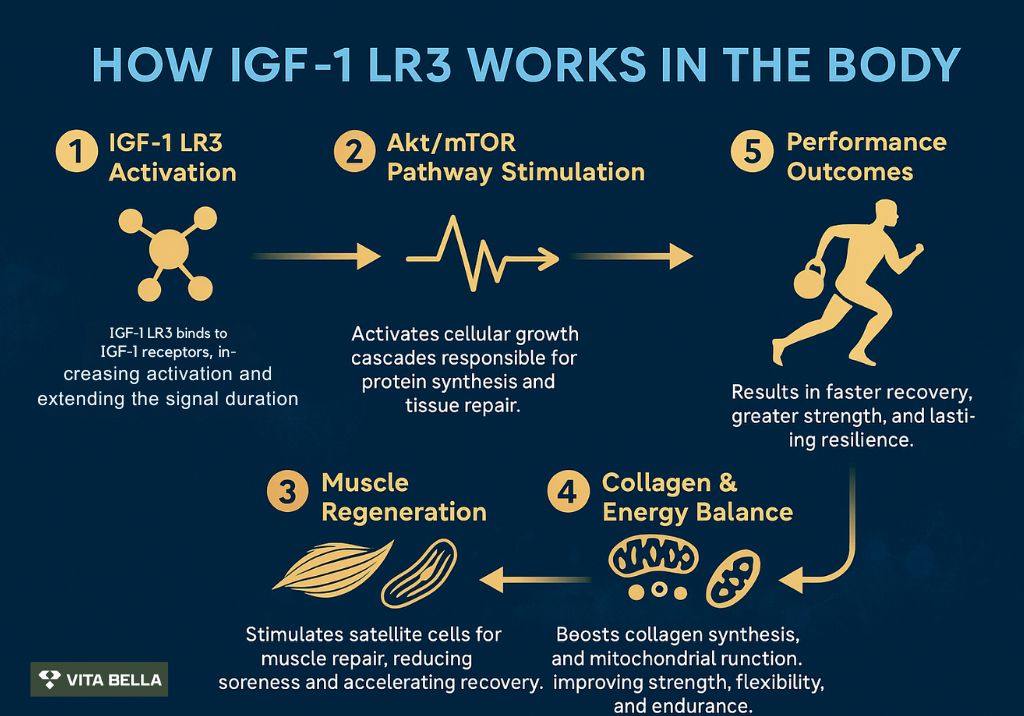
Studies have documented potential effects on visceral adipose tissue (belly fat), subcutaneous fat distribution, and skeletal muscle protein synthesis
Researchers have found that FSP1 can reduce vitamin K to VKH 2 , which acts as an antioxidant to capture free radicals and inhibit lipid peroxidation [47]
LncRNA PART1 alleviated myocardial ischemia/reperfusion injury via suppressing miR-503-5p/BIRC5 mediated mitochondrial apoptosis