Individual factors significantly influence how fluoxetine affects your weight, including: Your baseline weight and metabolic rate The severity of depression, anxiety, or eating disorder symptoms Dietary habits and physical activity levels Genetic factors affecting drug metabolism Concurrent medications It is important to note that weight changes associated with fluoxetine are generally modest compared to some other antidepressants
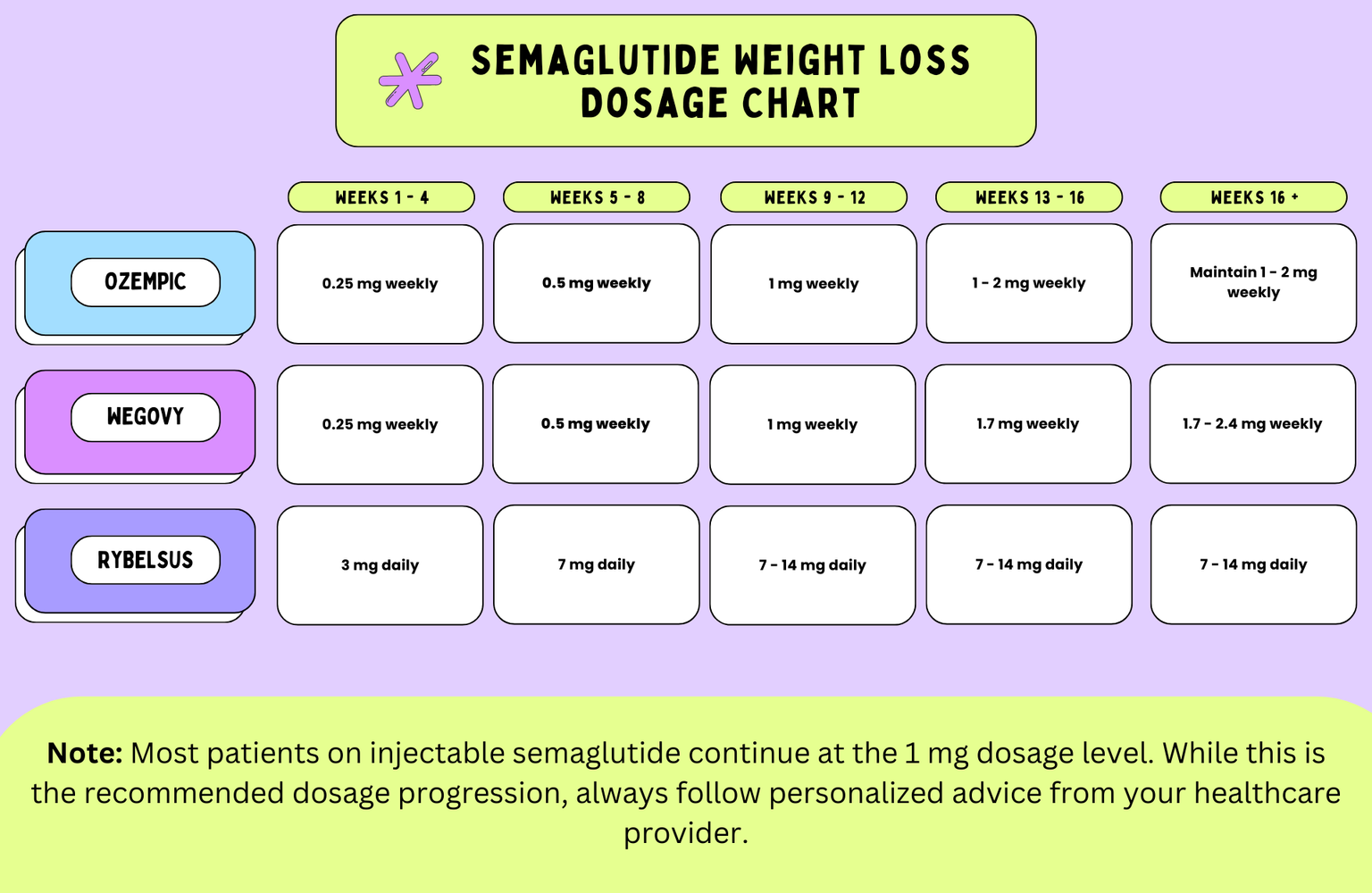
They establish your personal starting point, screen for conditions that affect how you should be dosed, and catch contraindications before they become problems
While studies are ongoing, early findings indicate that semaglutide's ability to regulate blood sugar and reduce inflammation could help reduce the risk of liver injury associated with excessive alcohol consumption
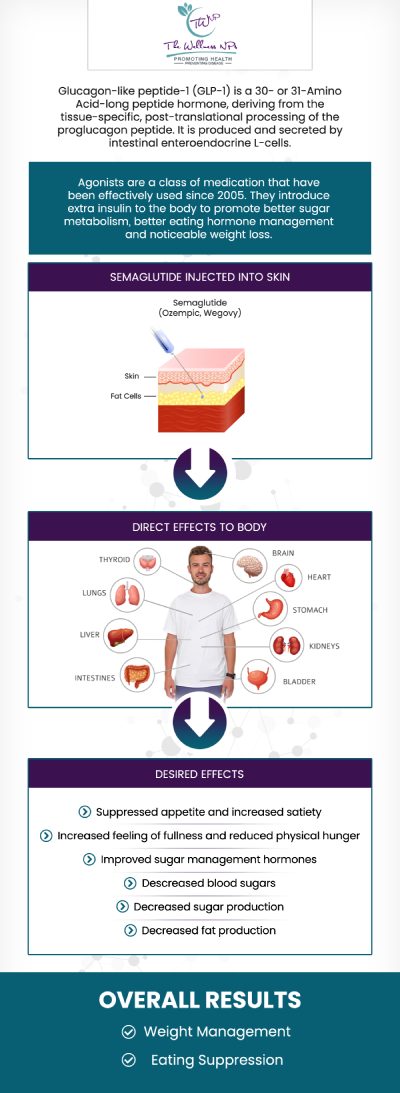
[1, 2] Regulating your blood sugar levels, reducing food cravings
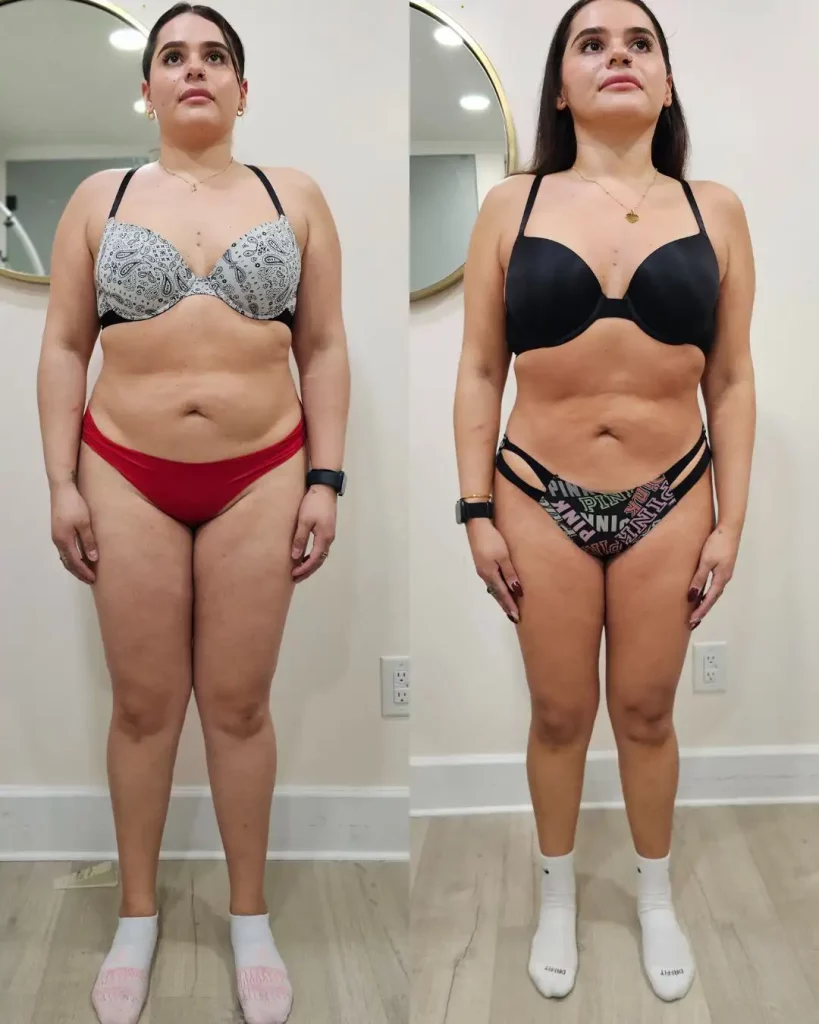
While those fat deposits are unsightly, they're also a sign that serious health issues could be around the corner, like stroke or heart disease