Conflict of interest DK has received research support from Sanofi, Tanabe Pharma, Terumo, Behringer Ingelheim, Kyowa Kirin, Sumitomo Dainippon Pharma, Ono Pharmaceutical and Takeda Pharmaceutical as well as speaker honoraria from Novo Nordisk Pharma, Sanofi, and Takeda Pharmaceutical
When glutathione levels are adequate, they may provide many health benefits, such as ( 1 , 2 , 7 , 8 , 9 , 10 ): greater protection against oxidative stress/cell damage by free radicals improved insulin sensitivity stronger immune function may reduce respiratory symptoms from respiratory disease/illness (e.g., cystic fibrosis, COPD) reduced risk of chronic diseases (e.g., type 2 diabetes, heart disease, kidney disease, liver disease, neurodegenerative disease) liver detoxification (e.g., drug metabolism) may improve dermatological issues (e.g., psoriasis, eczema) delayed cellular aging greater skin elasticity and strength Though, it is important to note that future research is needed to understand the role of glutathione and NAC supplementation and its effect on disease severity and prevention
Assist in wound, gut and connective tissue healing
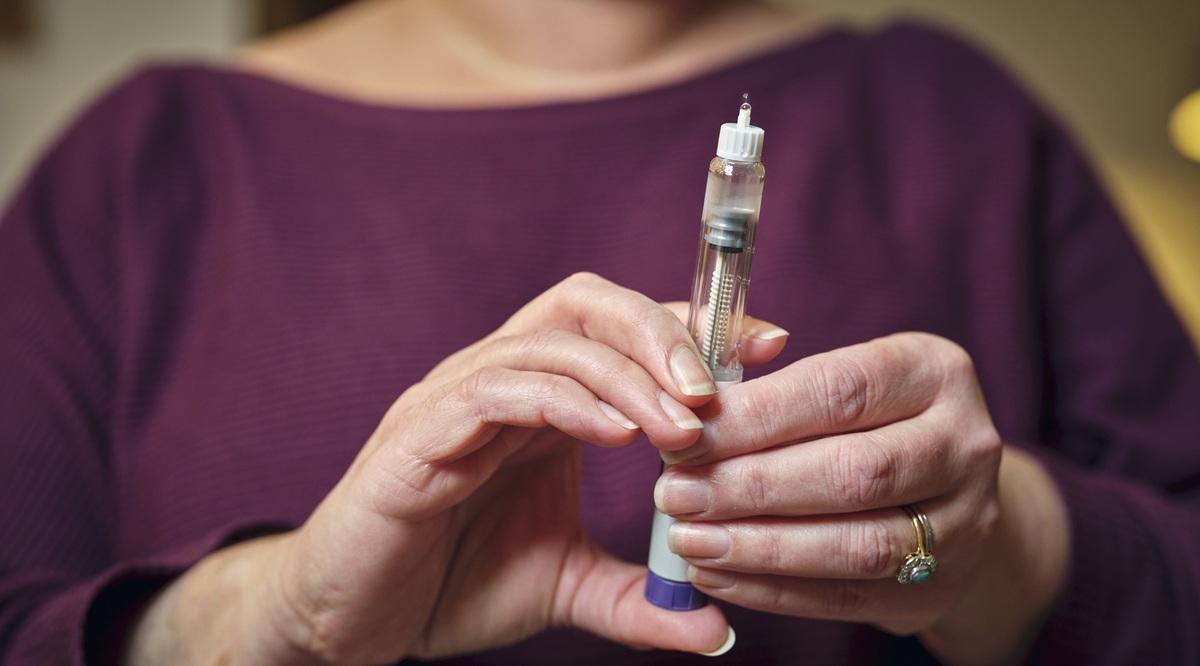
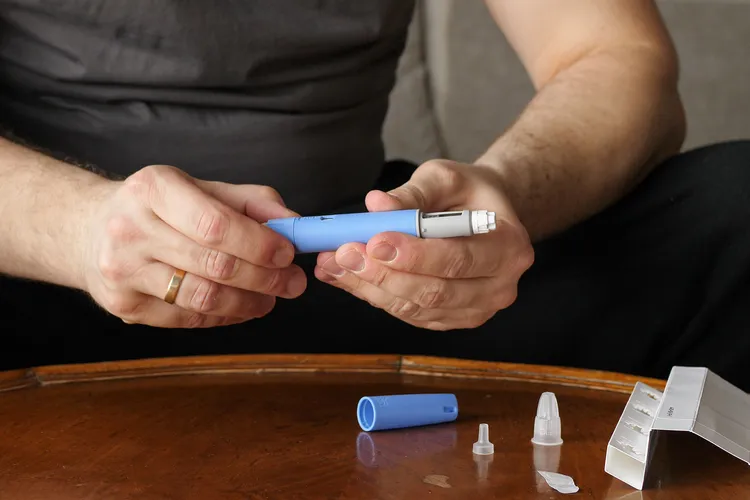
Optimized Protocol for Selective Fat Metabolism Dosing: Starting dose: 250 mcg per day (subcutaneous injection) Standard dose: 300-500 mcg per day after 1-2 weeks Frequency: Once daily or divided into two doses (morning and early afternoon) Administration: Route: Subcutaneous injection (abdomen, thigh, or upper arm) Timing: Morning fasted state ideal, or 30-60 minutes before cardio Storage: Reconstituted peptide refrigerated, typically stable 30-60 days Cycle Length: 12-16 weeks for initial assessment, with potential for extended protocols based on clinical trial data showing safe use up to 24 weeks
This transition will be driven by accumulating health economic evidence demonstrating cost-effectiveness through reduced cardiovascular events and progression of metabolic disease, leading to structured public reimbursement programs in Europe, Japan, and middle-income countries




/assets/images/provider/photos/2702244.jpeg)