In addition, iron-based nanomedicines currently hold significant potential in the treatment of major diseases, such as malignant tumours, cardiovascular diseases, and neurological disorders
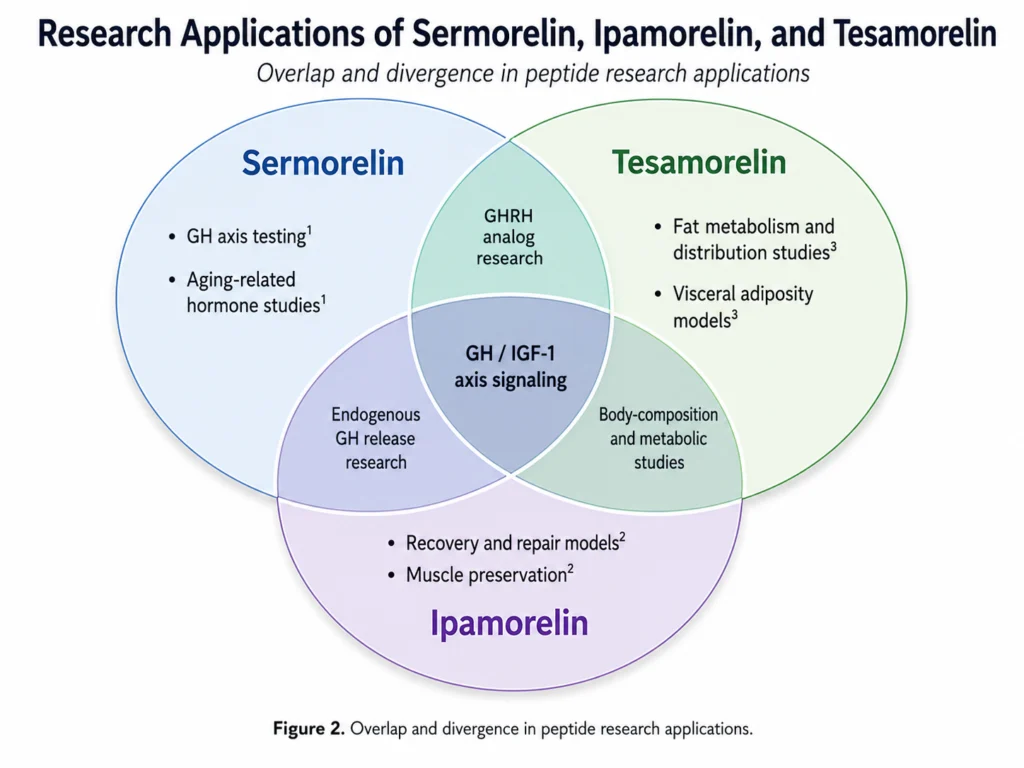
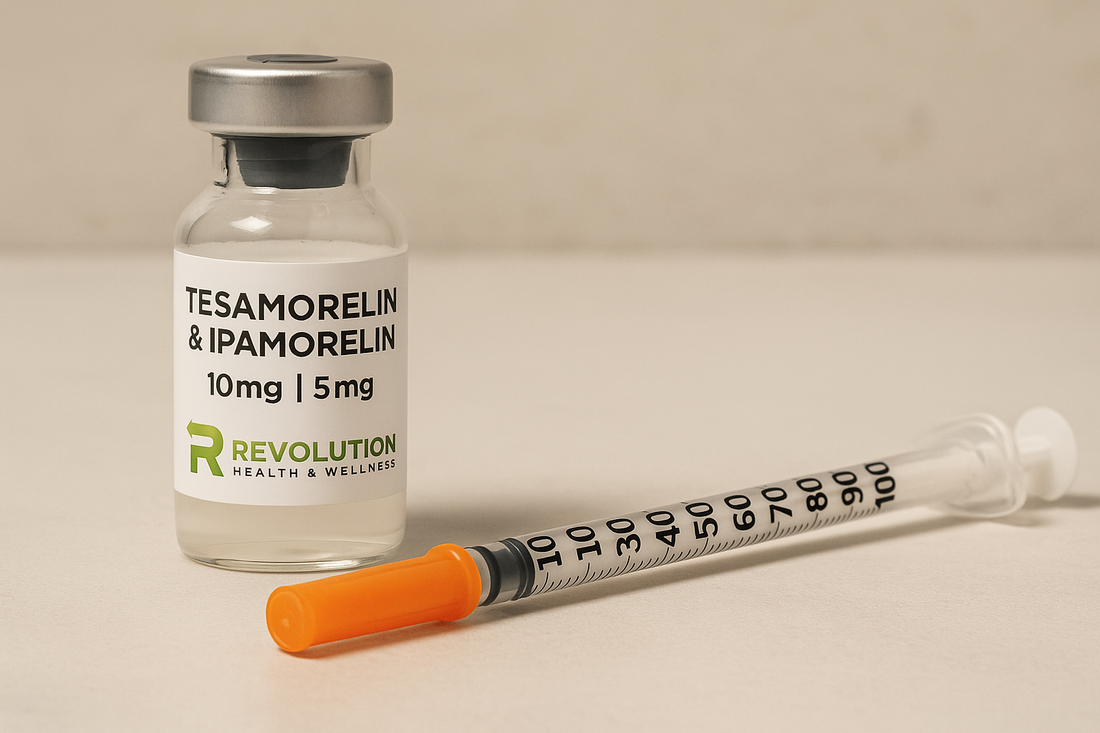
By doing so, the scientific community can continue to explore the full potential of this research peptide blend in laboratory and molecular biology settings
Once in the bloodstream, Fe 2+ is oxidized by ferroxidases (such as ceruloplasmin [Cp] and hephaestin), enabling Fe 3+ to bind to its transporter, transferrin (Trf), which transports iron throughout the body ( 3+ -Trf reaches a target-tissue, it binds to transferrin receptor (TrfR or CD71), which is followed by endocytosis
Reversibility of hypogonadotropic hypogonadism in a patient with the juvenile form of hemochromatosis
Prolonged stimulation of GH (GH) and insulin-like growth factor I secretion by CJC-1295 Journal of Clinical Endocrinology & Metabolism