Code 90461 is an add-on code reported for each additional vaccine component administered
In depression-related research, interest centers on mood stability, stress response, and cognitive balance
Causes of Inadequate Responsiveness to Therapy Pseudoresistance White-coat hypertension or office elevations Pseudohypertension in older patients Use of regular adult cuff on a very obese arm Nonadherence to therapy Volume overload Excess salt intake Progressive renal damage (nephrosclerosis) Fluid retention from reduction of blood pressure Inadequate diuretic therapy Drug-related causes Doses too low Wrong type of diuretic Inappropriate combinations Rapid inactivation (e.g., hydralazine) Drug actions and interactions Sympathomimetics Nasal decongestants Appetite suppressants Cocaine and other illicit drugs Caffeine Oral contraceptives Adrenal steroids Licorice (as may be found in chewing tobacco) Cyclosporine or tacrolimus Erythropoietin Antidepressants Nonsteroidal anti-inflammatory drugs Associated conditions Smoking Increasing obesity Sleep apnea Insulin resistance or hyperinsulinemia Ethanol intake of more than 1 oz (30 mL) per day Anxiety-induced hyperventilation or panic attacks Chronic pain Intense vasoconstriction (arteritis) Organic brain syndrome (e.g., memory deficit) Identifiable causes of hypertension Adapted from JNC-7 Express, National Heart, Lung, and Blood Institute
For adults over 65, no dose adjustment is required, but careful monitoring for adverse effects is prudent as older adults often have multiple comorbidities and medications that increase complication risk
PTH1R (parathyroid hormone 1 receptor) is a G-protein coupled receptor that mediates the effects of PTH and PTHrP on bone and mineral metabolism




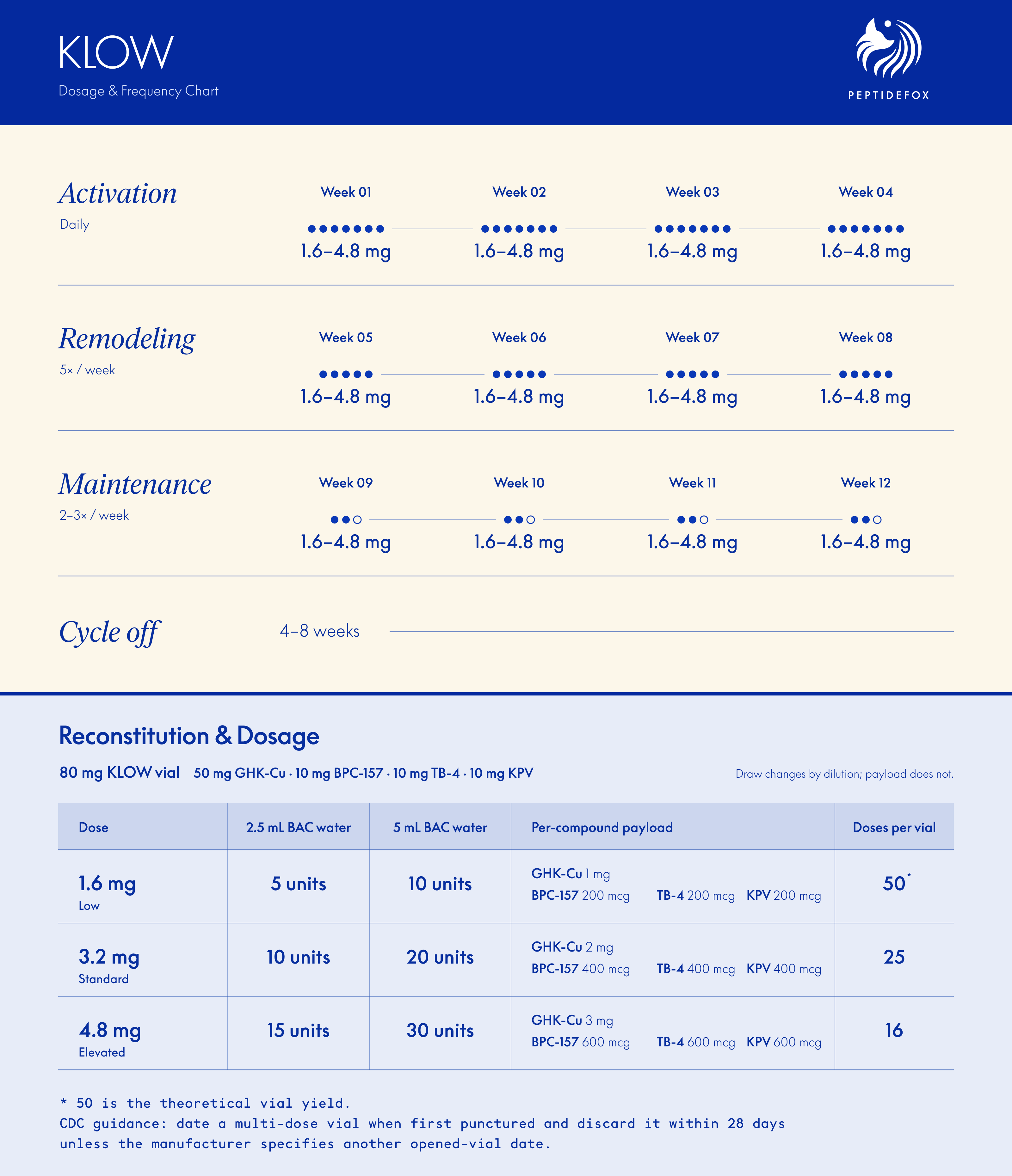
![Klow vs Glow Peptide: 5 Key Differences [Comparison 2026]](https://klow-peptide.com/images/content/heroes/klow-vs-glow.jpg)