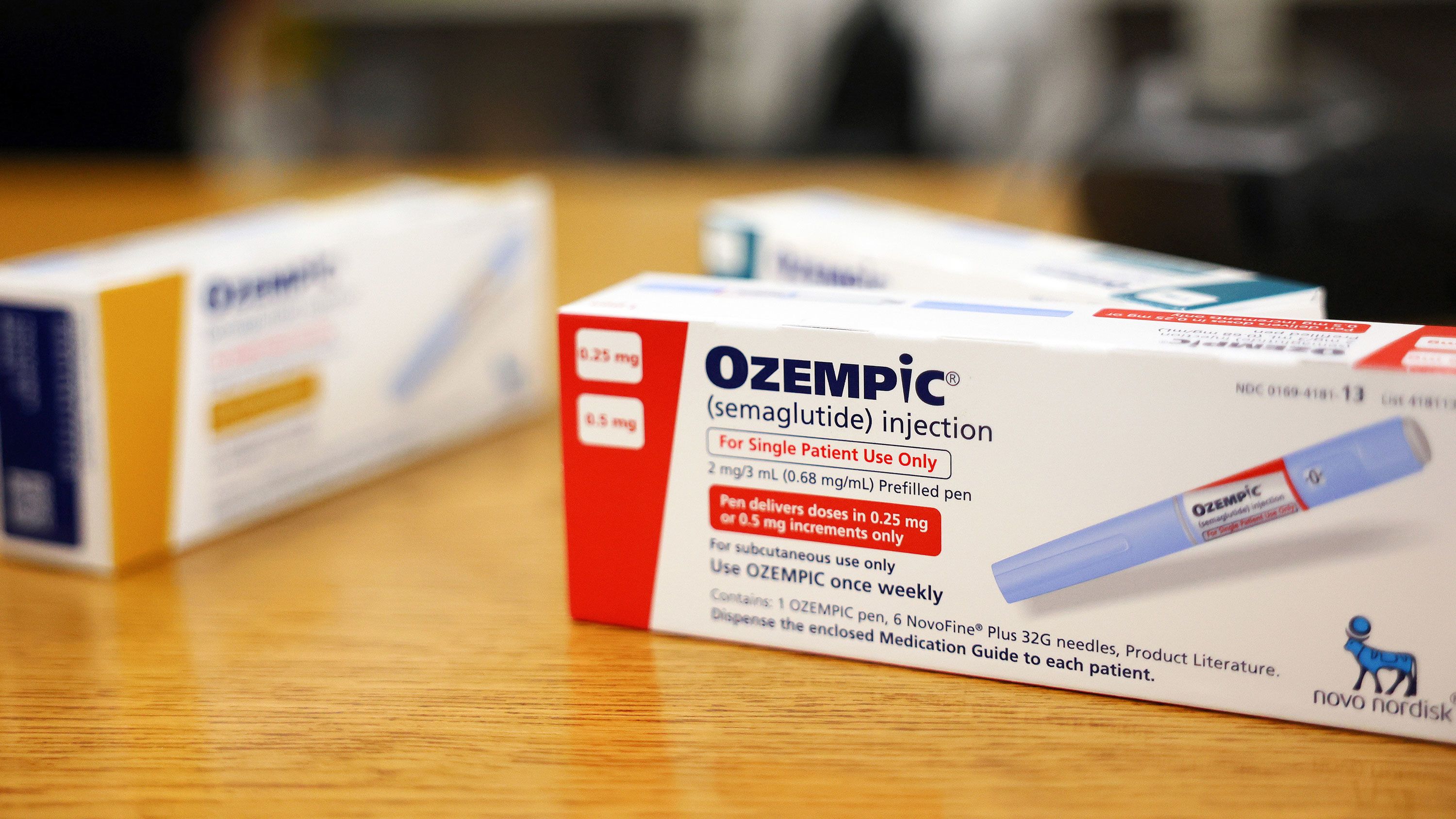
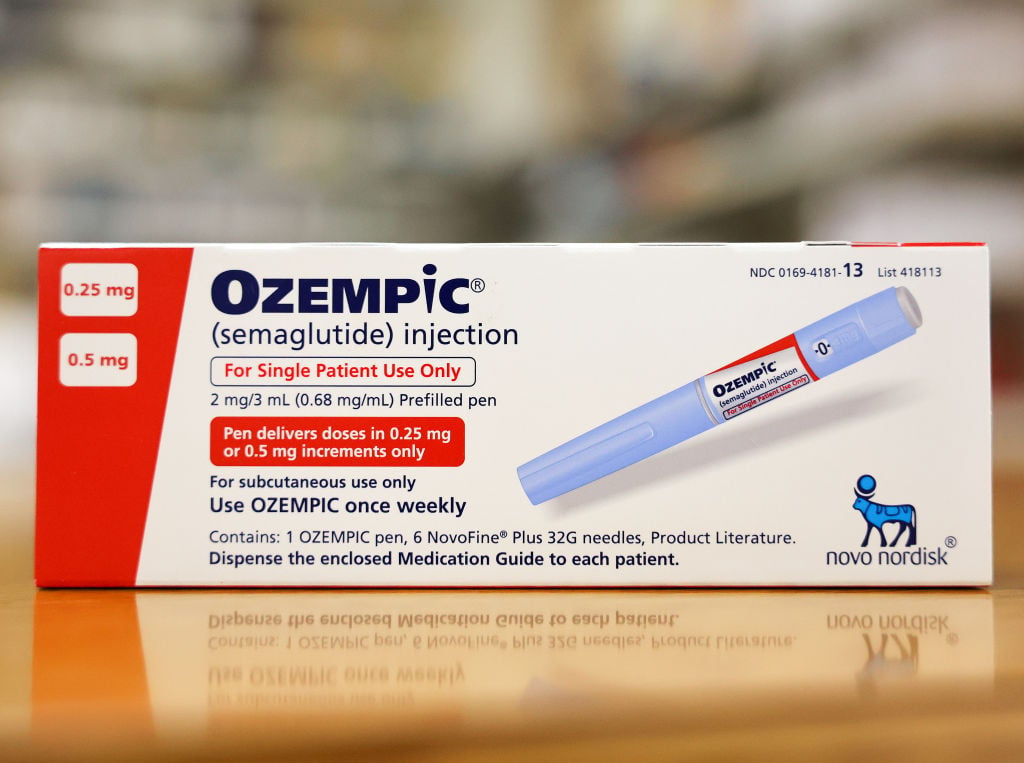
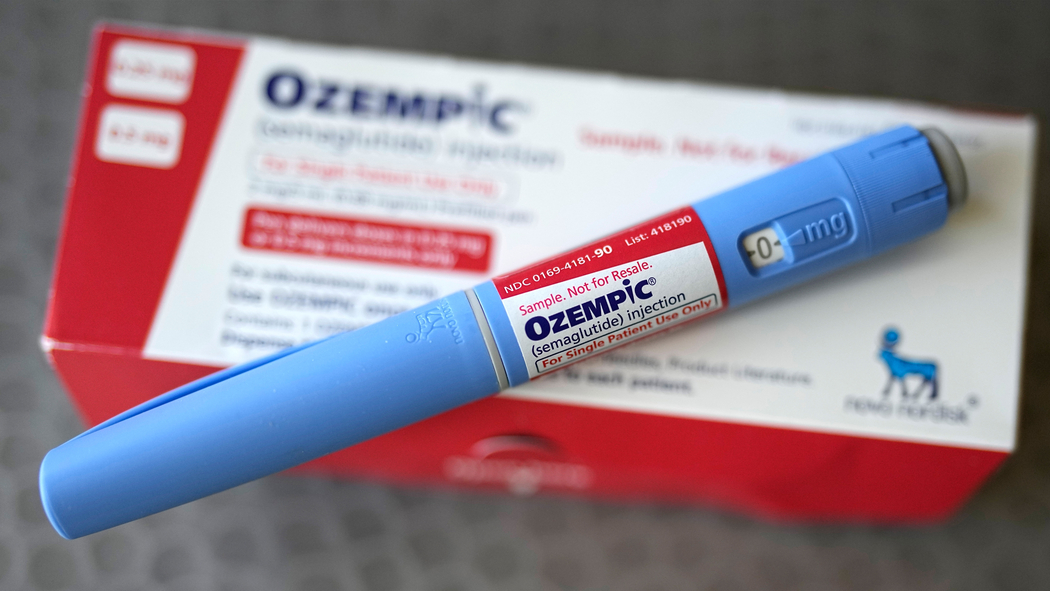
January 2024: CBS News reported that in the FDAs January through March 2024 FAERS potential-safety-signals report, GLP-1 receptor agonists were listed for a potential signal (dysaesthesia)
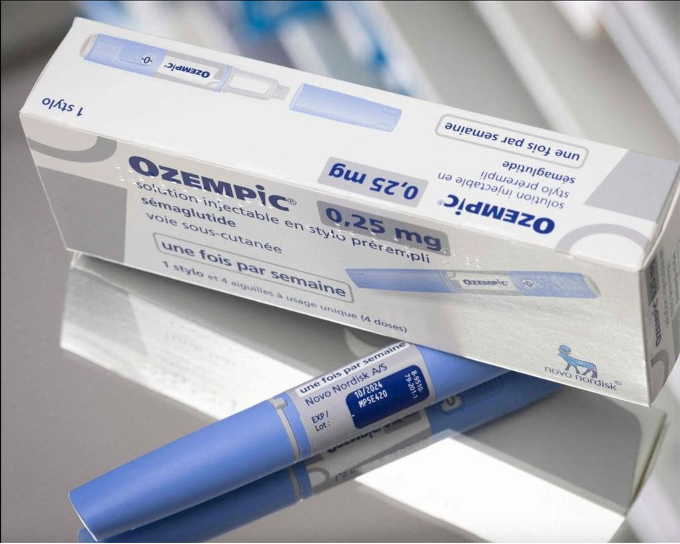
Visual inspection is a necessary safety check before every injection, but it is not a substitute for respecting the expiration date
The deeper reality is that GLP-1 medications reshape your microbiome, and the state of your microbiome determines how you experience those digestive changes
Hydration and electrolyte balance are equally important: Aim for 6-8 glasses of fluid daily (about 1.5-2 litres), as recommended by the NHS, but individualise based on your activity level, climate, and medical conditions If you have heart or kidney disease, discuss appropriate fluid intake with your healthcare provider Include electrolyte-containing beverages if experiencing gastrointestinal side effects, but be mindful of sugar content Monitor urine colour as a simple hydration indicator (pale yellow suggests adequate hydration) Physical activity , whilst challenging when fatigued, can paradoxically improve energy levels: Start with gentle activities such as walking, gradually increasing intensity as tolerated Incorporate both cardiovascular exercise and resistance training to maintain muscle mass Schedule activity during times of day when energy levels are typically higher Sleep hygiene and stress management should not be overlooked, as poor sleep quality and chronic stress independently contribute to fatigue
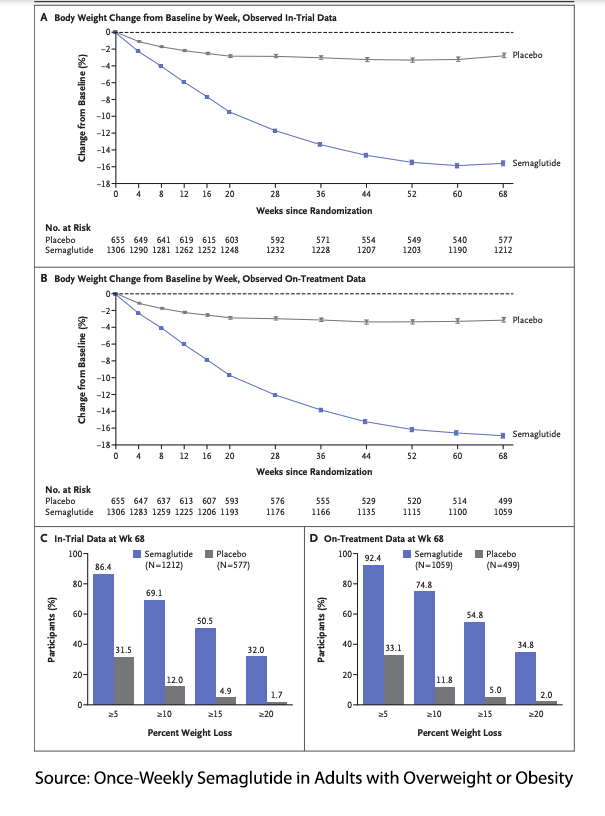
Studies show clear changes in appetite by 5 to 12 weeks, with much better hunger control and fewer cravings by week 20