

In short, each ingredient helps sustain the other, creating a more resilient antioxidant system than either could provide alone
Risk factors that may prompt additional consideration include: Active gastrointestinal symptoms (nausea, vomiting, abdominal pain) Recent dose increases or being in the dose-escalation phase Higher doses of semaglutide Known gastroparesis or other conditions affecting gastric emptying Obesity with GERD or hiatal hernia Based on the 2024 multi-society guidance, most patients can continue GLP-1 receptor agonists before elective procedures with appropriate risk assessment and mitigation strategies, rather than automatic postponement
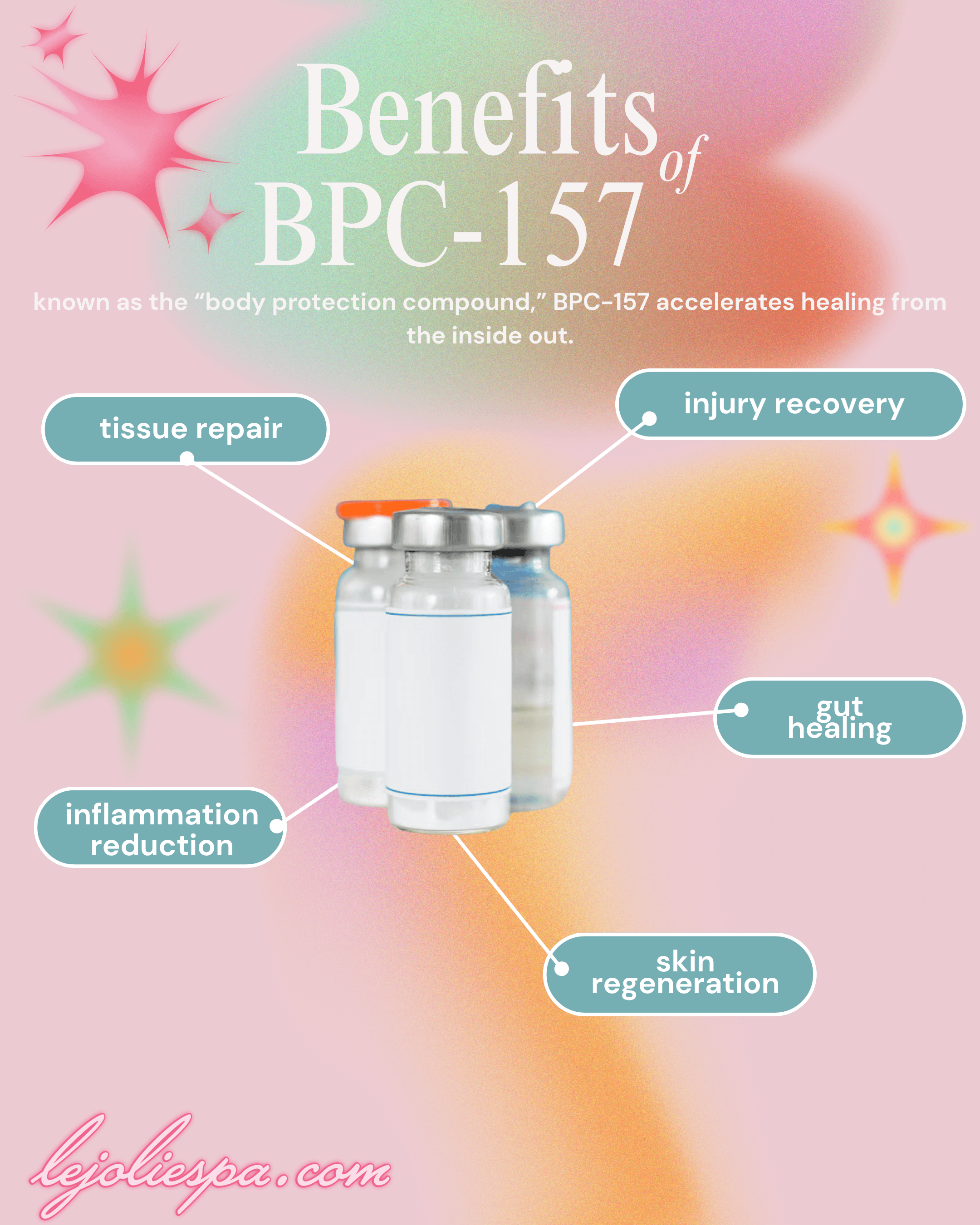
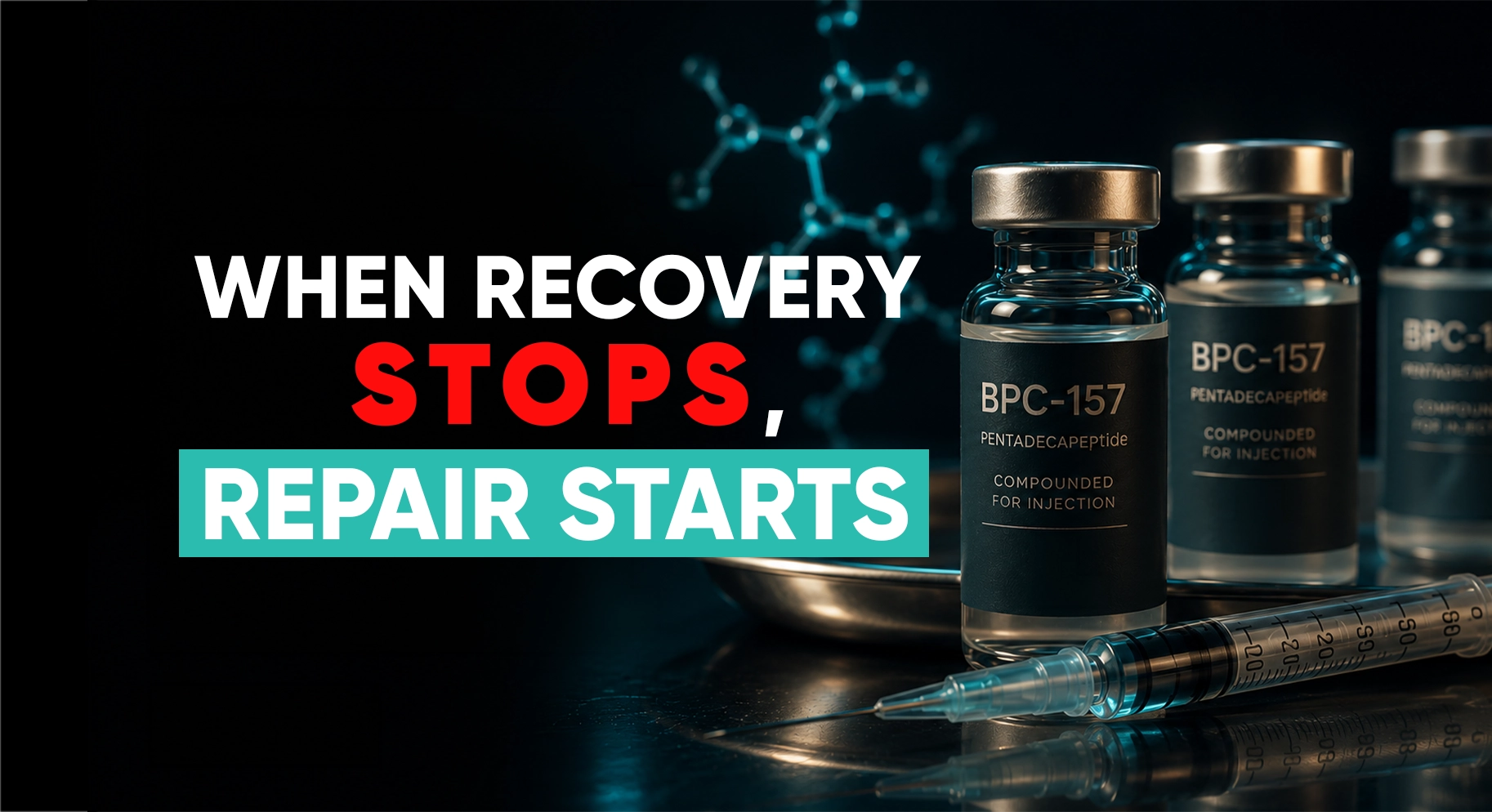
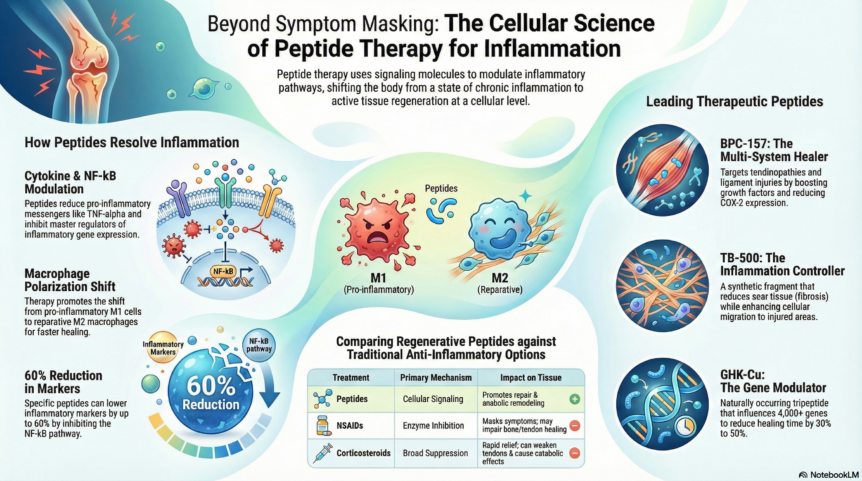
I typically combine it with TB-500 because they support different aspects of the healing process
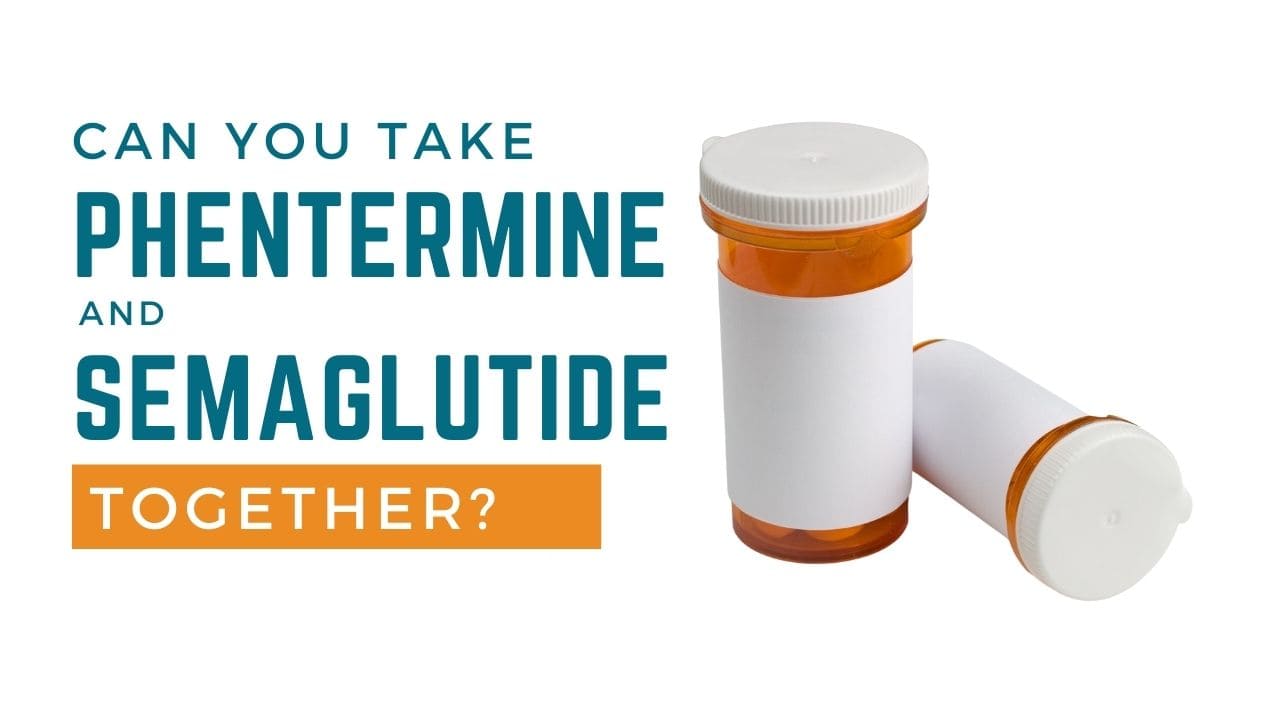
Your doctor will consider several factors before prescribing it: Medical History: Conditions like a history of thyroid cancer, pancreatitis, or severe gastrointestinal issues may make semaglutide unsafe
Subsequently, PI3K inhibition by the specific inhibitor wortmannin significantly reversed the anti-inflammatory and anti-apoptotic effects of APP/PS1mice