GHK-Cu (glycyl-L-histidyl-L-lysine copper complex) is a naturally occurring tripeptide-copper chelate found in human plasma, studied extensively since Loren Pickart's 1973 characterization
L., Jung, S.-M., Contamin, L., Howerton, E., Bents, S
Regenerative medicine is increasingly turning to peptides as a way to support the bodys natural repair systems
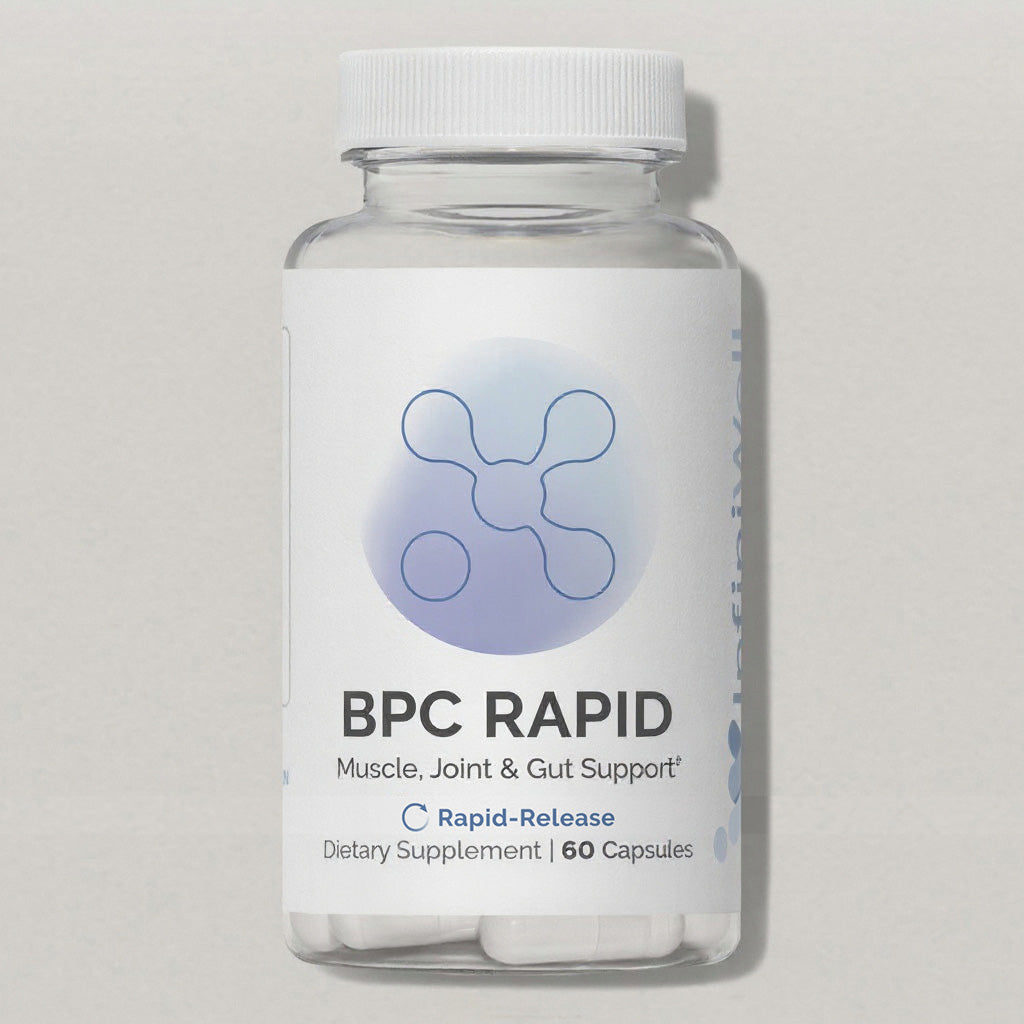
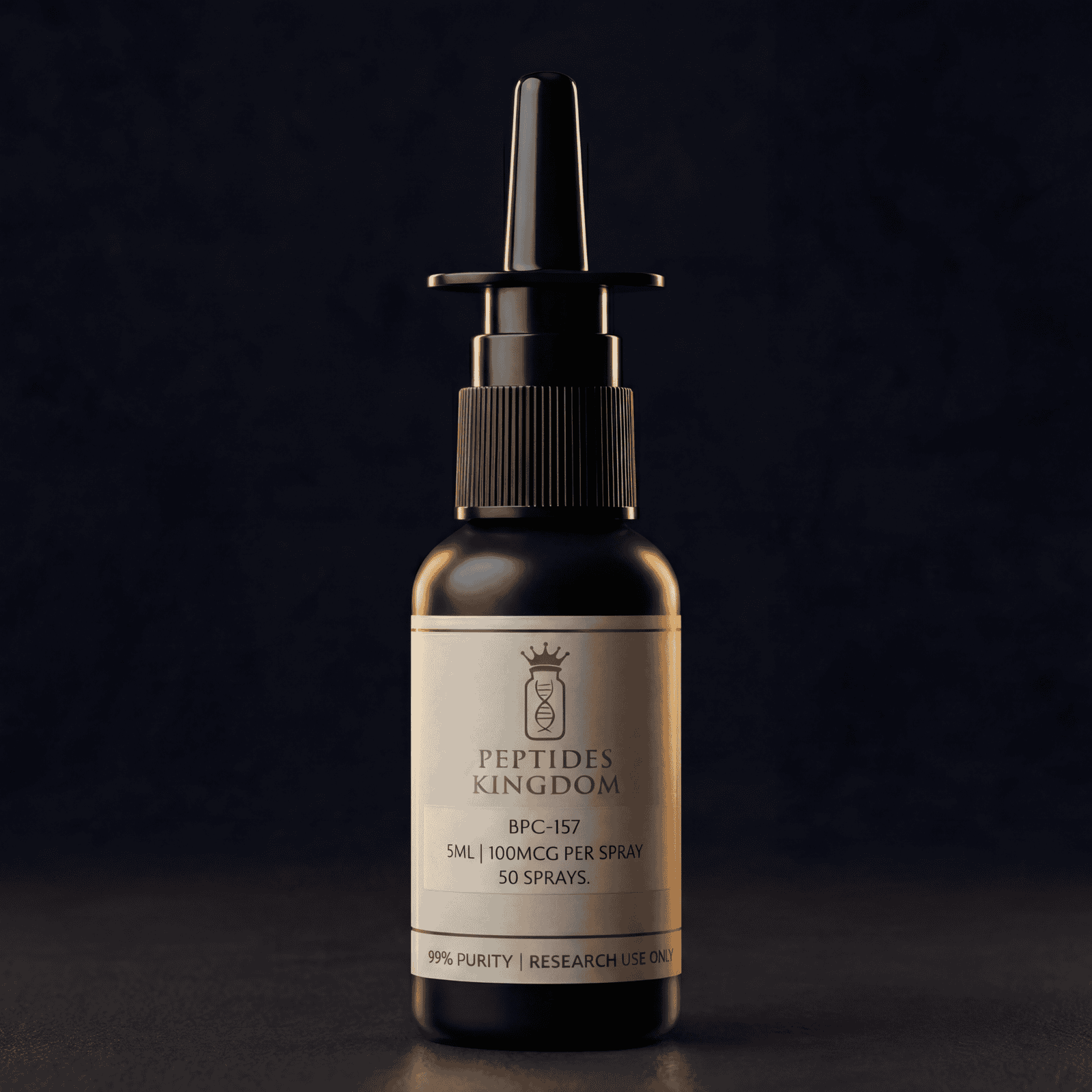
BPC-157 promotes angiogenesis through upregulation of vascular endothelial growth factor receptor 2 (VEGFR2) and activation of the VEGFR2-Akt-eNOS signaling cascade, leading to increased nitric oxide production essential for endothelial proliferation and new blood vessel formation
"Functional promiscuity of squirrel monkey growth hormone receptor toward both primate and nonprimate growth hormones"