In cases where an employer is providing plan coverage for GLP-1 medications for obesity, there are risks and potential unforeseen consequences if the coverage doesnt have a defined plan structure and a managed process for treatment
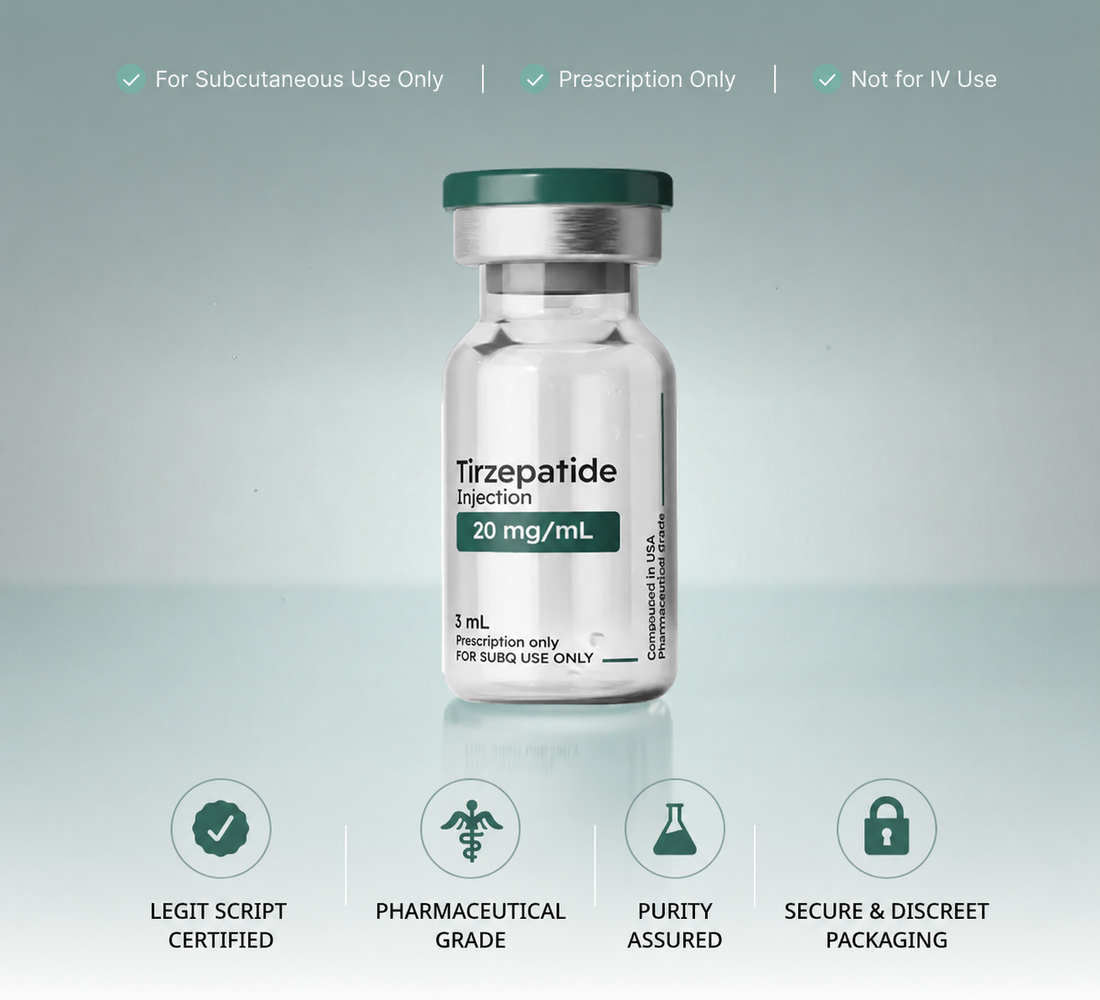
Under current FDA guidance, a 503A pharmacy can compound a GLP-1 medication for a specific patient only when the prescriber documents a "significant difference" - a genuine clinical reason why the compounded formulation serves that patient's specific medical need in a way the commercially available FDA-approved product cannot
Take time to check your insurance coverage, explore savings programs, and plan ahead at the pharmacy for a smoother transition.What are compounded GLP-1s
This lot's tested vial: 10 mg
In general, pharmacies and outsourcing facilities may not compound drugs that are essentially copies of commercially available FDA-approved products, unless certain conditions are met, such as when a drug is on the FDAs drug shortage list or when there is a documented clinical need for an individual patient. The Alliance for Pharmacy Compounding is pushing back on the FDAs crackdown








.jpg)






.jpg)