(2s,3s)-n-(6-amino-6-oxohexyl)-2-[[(2s)-2-(hexanoylamino)-3-(4-hydroxyphenyl)propanoyl]amino]-3-methylpentanamide 8

there are several FDA-approved ones Growth hormone itself is a peptide hormone, not a steroid hormone Taking growth hormone or growth hormone-releasing peptides has serious risks: tumor growth and cancer Type 1 diabetics have very high growth hormone but low IGF-1 paradoxically, and they have very high rates of various cancers The benefits (lipolysis, decreased body fat, increased lean mass) can be achieved through other means, and cosmetic benefits (hair, skin, nails) can be achieved using topicals Most people dont actually need growth hormone-releasing peptides BPC 157 is body protective compound 157, identical to gastric protective compound 157 produced in your stomach As you age, you get atrophic gastritis, which is why you have less intrinsic factor and more colitis and diverticulitis BPC 157 increases VEGF (vascular endothelial growth factor), which makes blood vessels grow Avastin is on the WHOs list of essential cancer medications, and its a VEGF inhibitor, so if you have cancer or high cancer risk, avoid BPC 157 since it does the opposite BPC 157 isnt FDA approved, but its basically standard of care now, one of the most commonly used peptides Dont take it 2-3 times a week for six weeks, no matter what
Sources [edit] Works cited CRC Handbook of Chemistry and Physics (92nd ed.)
Association of decreased spermatozoa omega-3 fatty acid levels and increased oxidative DNA damage with varicocele in infertile men: a case control study
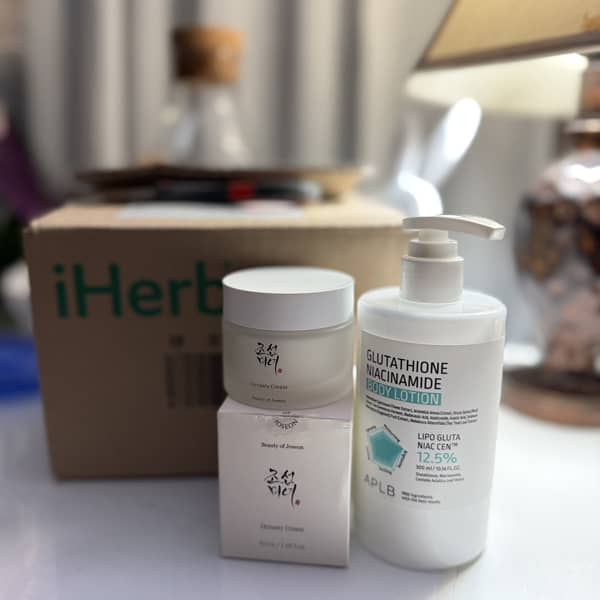
This Pansly EGF NAD+ Peptide Firming Serum is multi-effect collagen-boosting anti-aging essence, designed to lift sagging skin, smooth fine lines and revive dull tired complexion