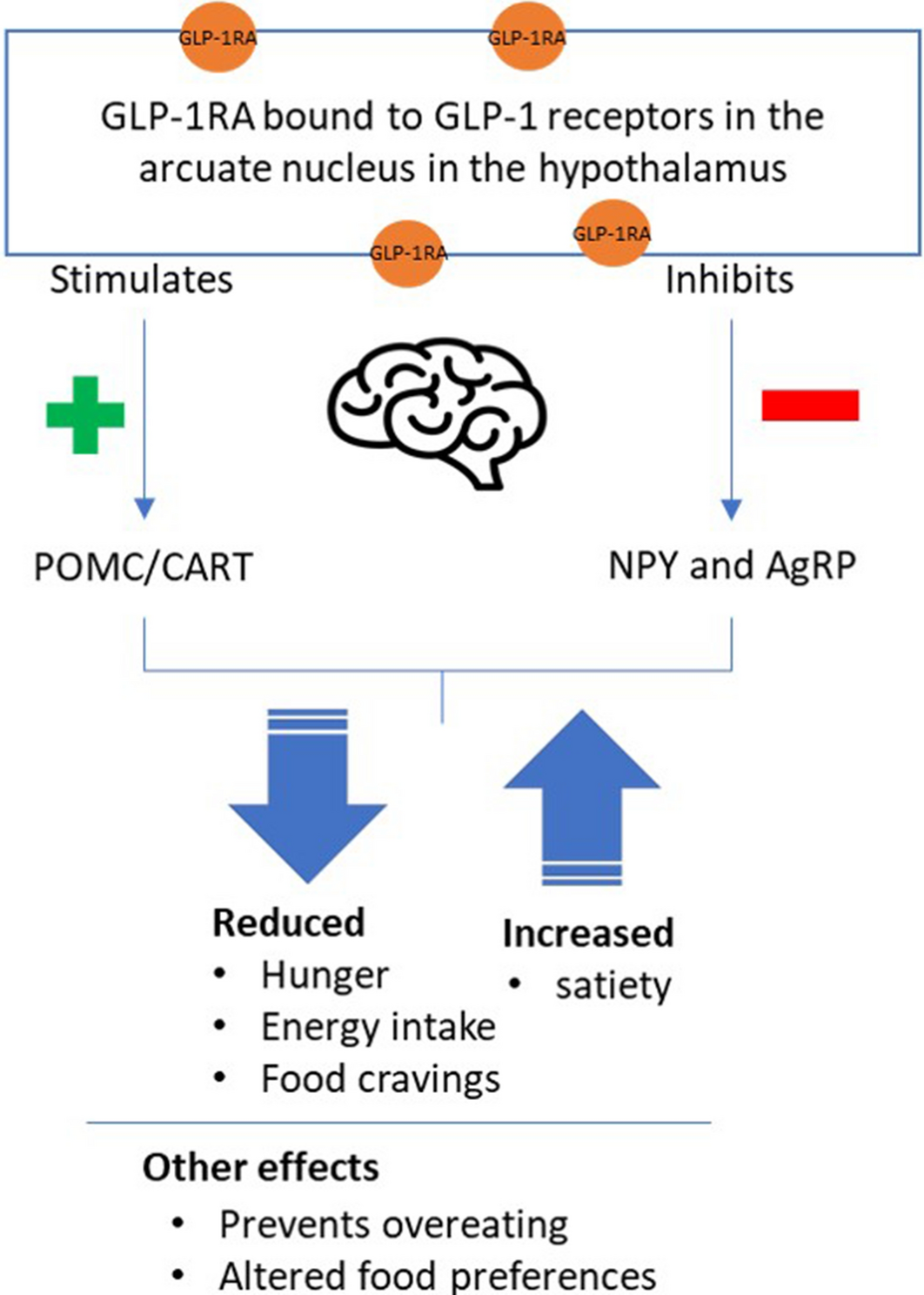
6 Mechanisms of intestinal-brain signaling The gut-brain axis is a bidirectional communication system linking the gastrointestinal (GI) tract and the central nervous system (CNS), which plays a pivotal role in maintaining homeostasis across many physiological processes (Arneth, 2018
gasseri increased the expression of GPX4 at both the mRNA and protein levels, while significantly inhibiting the positive ferroptosis regulators such as FTH1 and ACSL4 (Fig
Reduced L-Glutathione Detoxification Support SKU Benefits and Features A powerful antioxidant that protects your body at the cellular level, supports liver detoxification and promotes improved insulin sensitivity

Research Context & Scientific Interest The two peptides in this set have distinct but complementary research relevance: BPC-157 Component BPC-157 has been investigated in controlled experimental models for its association with: Peptide signaling pathways in tissue models Cellular response dynamics Molecular pathways involving regional peptide interactions Foundational research into signaling phenomena influenced by stable peptide fragments TB-500 Component TB-500 has been explored for its involvement in: Actin filament dynamics and cytoskeletal organization Cellular migration and structural coordination pathways Angiogenesis-related signaling cascades Peptide-mediated regulation of complex cellular responses Both compounds are of interest to researchers studying fundamental biological systems in regulated laboratory settings
It increased the production of NO, which is an anti-atherogenic molecule [37, 38]











.webp?t=1743535811&width=696)