The symptoms of mold illness are: Psychiatric anxiety, fear, panic attacks, mood swings, irritability, anger, OCD, reduced ability to cope with stress, hallucinations, and suicidal thoughts Cognitive decreased short-term memory, difficulty concentrating, difficulty learning new information, word-finding difficulty, reduced ability to plan and execute, lack of motivation, brain fog, and Alzheimers dementia Musculoskeletal muscle aches, sharp shooting pain, joint pain, morning stiffness Cardiovascular palpitations, vasculitis, edema Fatigue and chronic fatigue syndrome Respiratory shortness of breath, chronic cough, sinus infections, nasal drip Neurological headaches, migraines, POTS/dysautonomia, tremors, vertigo, seizures, burning along the spine, sensitivity to light, sensitivity to touch, numbness and tingling, sense of internal vibration Digestive abdominal pain, diarrhea, appetite swings, nausea, leaky gut syndrome Eye tearing and itching Multiple chemical sensitivity (MCS) and EMF sensitivity Mast Cell Activation Syndrome (MCAS) People with mold illness are commonly misdiagnosed with chronic fatigue syndrome, autoimmune conditions, fibromyalgia, Alzheimers dementia, and respiratory disorders like asthma

Novo taps Ascendis in $285m GLP-1 deal Danish pharma giant Novo Nordisk will use Ascendis TransCon platform to produce its once-monthly GLP-1 receptor agonist candidate
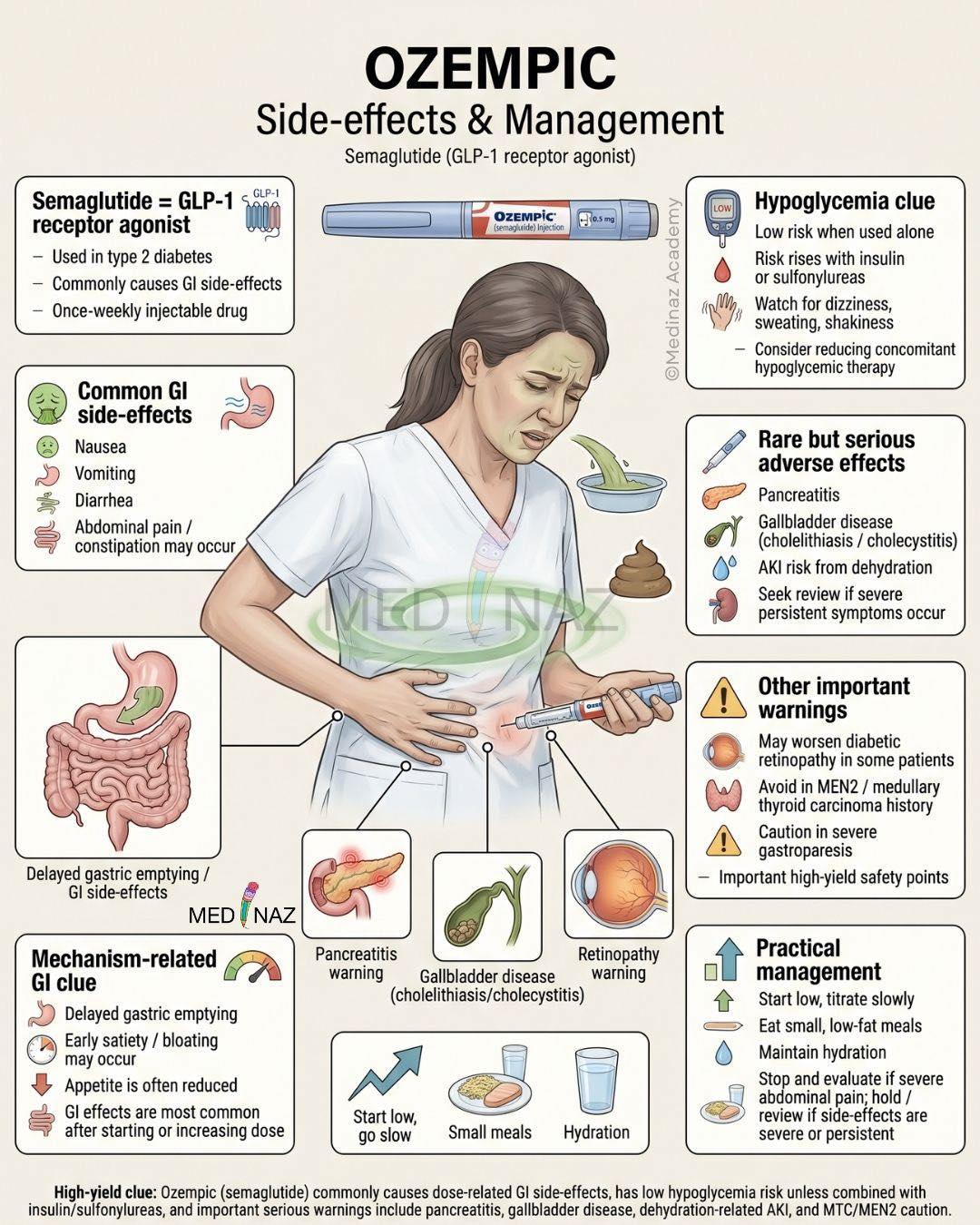
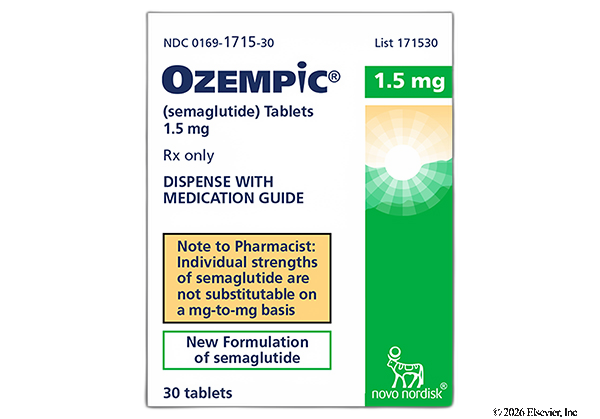
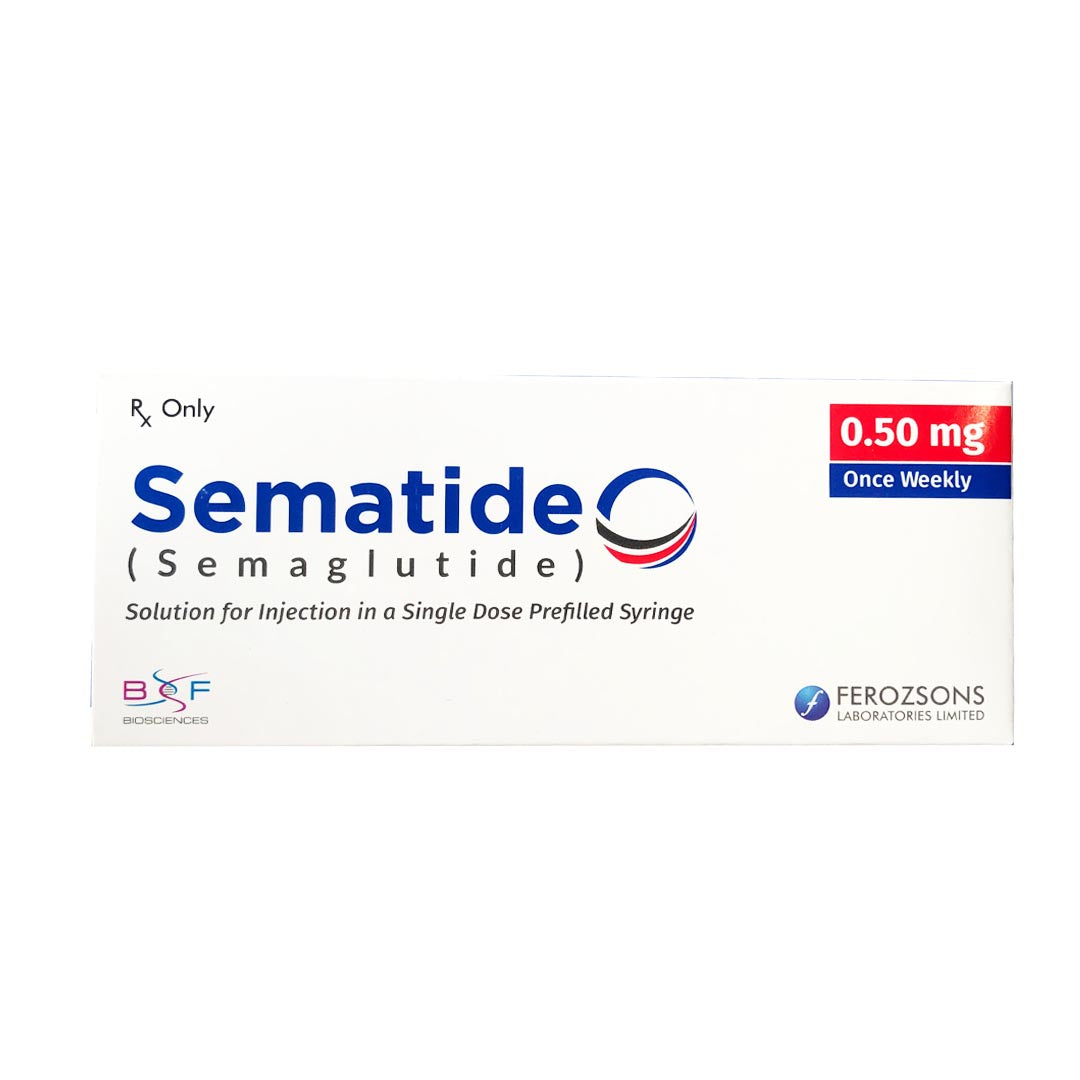
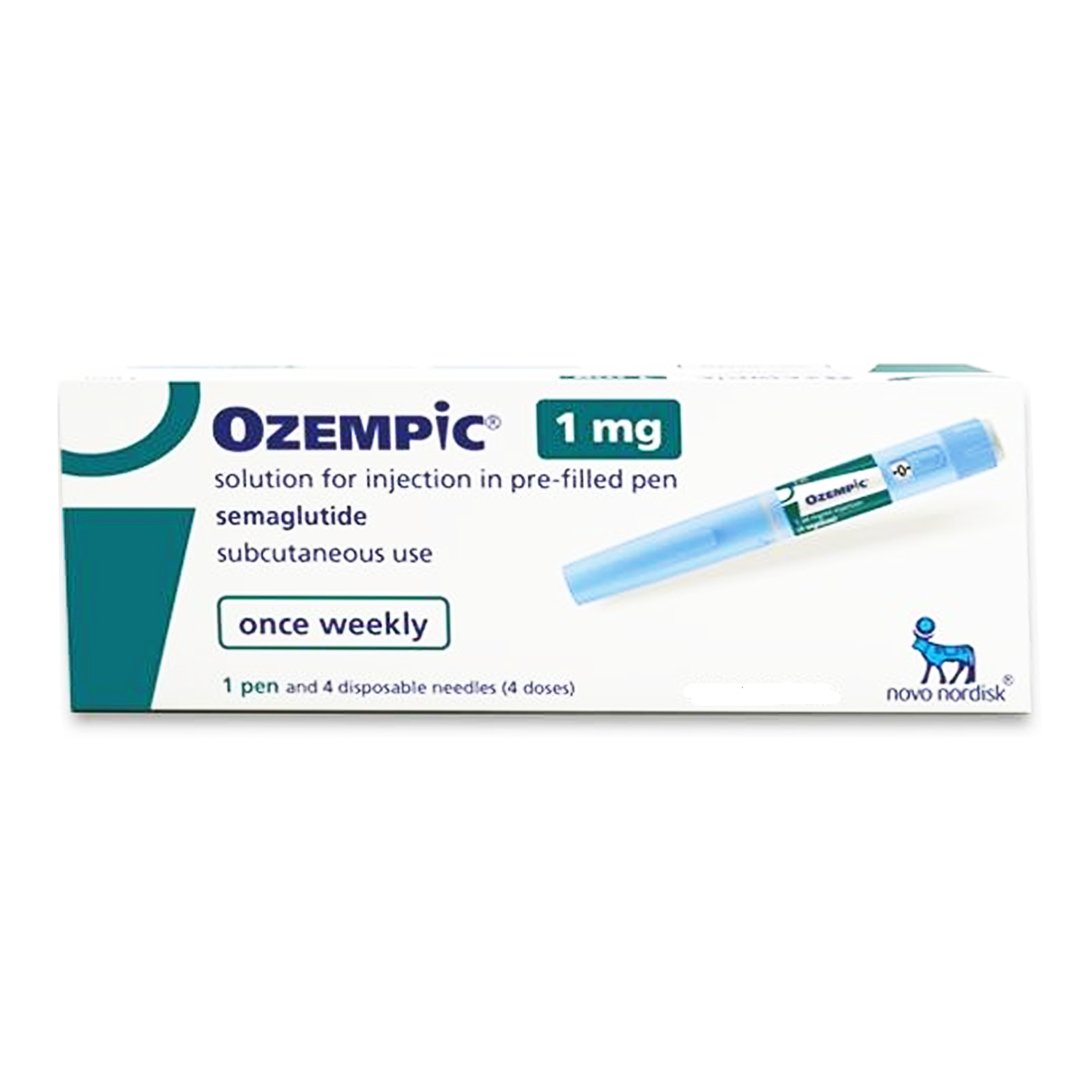
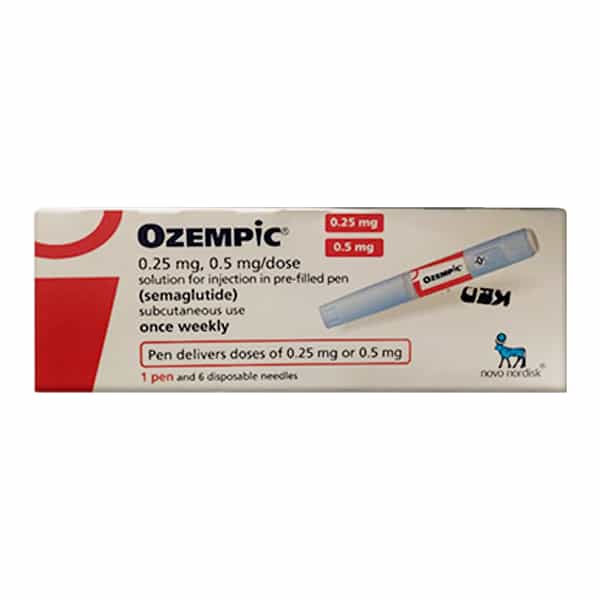
While Ozempic can lead to weight loss, it is not specifically FDA-approved for weight loss
Users can feel confident in their skin, knowing that they are taking proactive steps towards achieving their skincare goals
Hair shedding has been reported with both drugs