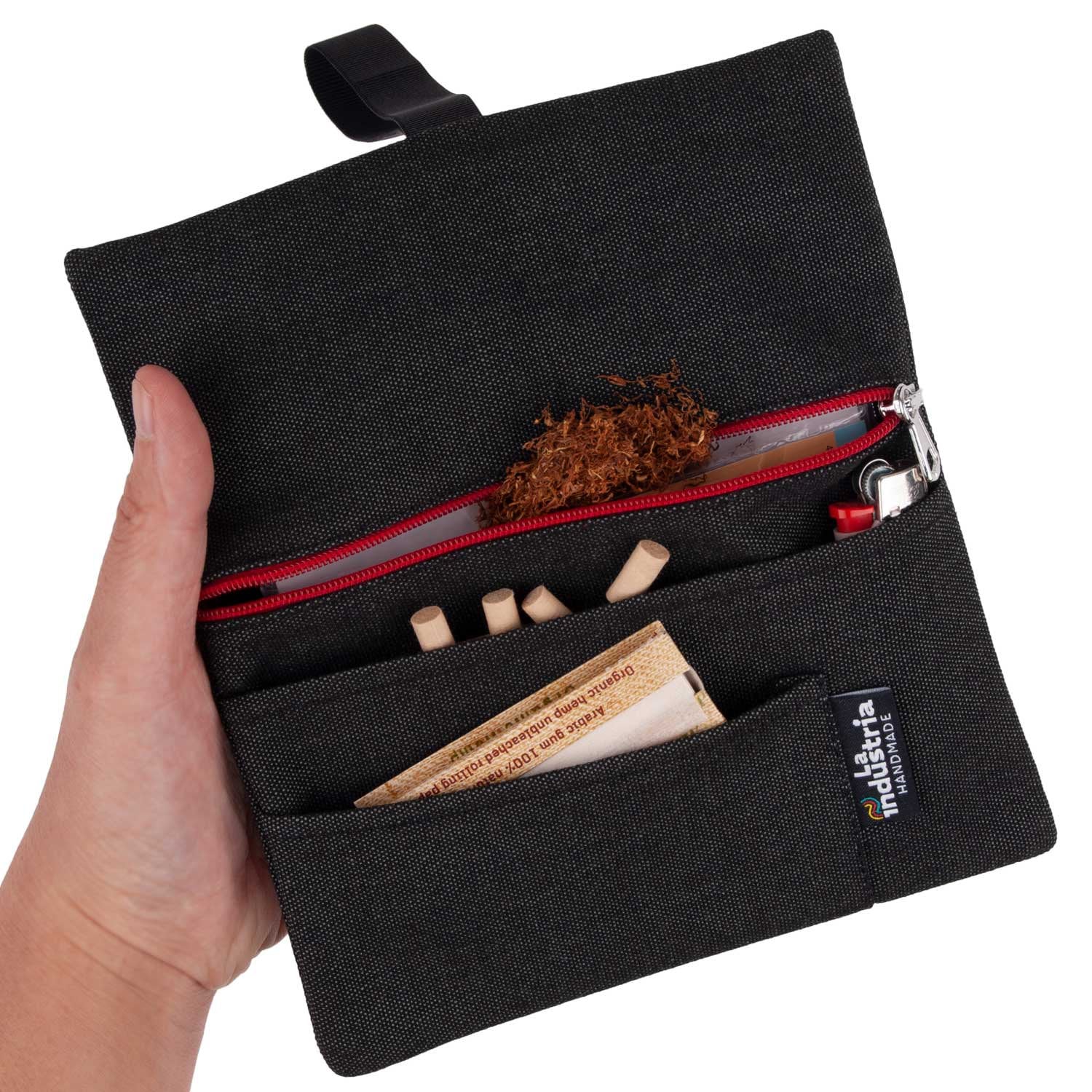
Old-school vibes with a classic reefer

economy $170 billion per year in direct medical costs (AJPM, 2014) Smoking is linked to a 28% increased risk of loss of productivity (Huffpost, 2012) Prevalence of Tobacco Use 19.6% of workers are tobacco users (CDC, 2011) A third of tobacco users earn less than $20,000 a year and do not have a high school diploma (CDC, 2015) 42% of unemployed adults and almost three-quarters of homeless adults use tobacco (Truthinitiative, 2016) Smoking rates among blue-collar workers have been consistently higher than white-collar workers (CDC, 2015) Protecting Non-smoking Employees One in 10 workers reported being exposed to secondhand smoke even with no-smoking laws in place (PubMed, 2014) Most workers (94.3%) believe that the employer should do everything to protect the non-smokers from secondhand smoke (PubMed, 2009) Workplace secondhand smoke is more common among men and is most widespread among blue-collar workers and industries such as mining and construction PubMed, 2014) Over 81% of smokers agree that they should get additional paid smoke breaks, while only 1 in 4 smokers (25.2%) agree that it is fair (Theladders, 2018) As stated previously, smokers spend six days in a year on smoke breaks

HOW TO REMOVE IT
Symptoms may be similar to those of an eye socket infection with the addition of a pupil that is larger than usual (dilated)
Although the new findings suggest that electronic cigarettes also known as e-cigarettes cause less nicotine dependence than traditional cigarettes, planned follow-up studies will help determine if e-cigarettes could lead to traditional cigarettes dependence in the future