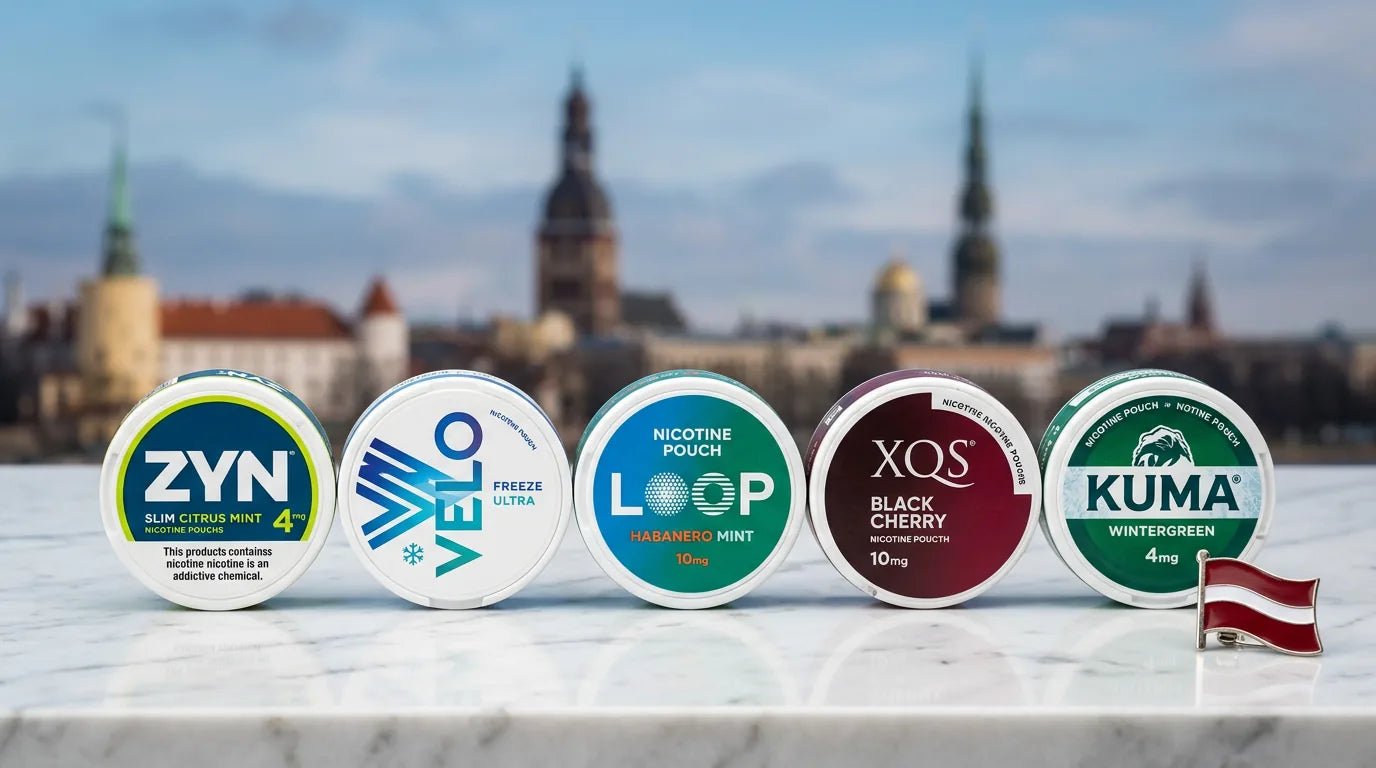
This unique insight is invaluable for tobacco distributors looking to optimize their product offerings and refine their marketing strategies
Many enthusiasts travel to Cuba, Nicaragua, or the Dominican Republic
Australia applied plain packaging in conjunction with graphic health warnings (GHWs), which were not challenged in the dispute
Nr samtalen falder p helhedsindtrykket, er det ogs vrd at fremhve kundeservice, der er let at n via chat, mail og eventuelt telefon, samt et velfungerende hjlpecenter

Here's your practical guide to choosing papers that won't mess with your health: What to Look For Material: Hemp or rice papers are generally safest Color: Unbleached (brown) papers typically have fewer processing chemicals Additives: Look for "additive-free" or "all-natural" claims backed by actual lab testing Burn rate: Slow-burning papers usually have fewer chemicals Transparency: Brands that publish ingredients and lab results Certifications: Organic certifications, FSC-certified for wood products Thickness: Thinner papers generally mean less material and fewer additives Adhesive: Acacia gum (gum arabic) is the safest, most natural option Red Flags to Avoid Flavored papers (highest chemical content) Colored papers with metallic inks (heavy metals galore) Fast-burning papers (packed with burn rate additives) Bleached wood pulp (especially chlorine-bleached) Unknown manufacturers (no transparency = bad news) Suspiciously cheap papers (they're cheap for a reason) Papers with special finishes (watermarks, patternsmore processing) Brands that won't disclose ingredients (what are they hiding?) Storage Tips for Maximum Freshness Did you know rolling papers actually expire





:max_bytes(150000):strip_icc()/cigarettelightersocketdoesntworkobjectinside-5bb3cac546e0fb002611ff4d.jpg)